

Table of Contents
How to Choose the Right Supplier in India: Choosing the right supplier in India is one of the most critical decisions for any importer or international buyer. India is one of the world’s largest manufacturing and export hubs, supplying products such as textiles, food products, spices, handicrafts, industrial goods, cosmetics, and agricultural commodities to global markets.
However, many buyers face serious problems when they choose suppliers without proper verification. Issues such as poor product quality, under-packing, shipment delays, and supplier fraud can silently start causing losses in international trade.
This guide explains how to choose the right supplier in India, avoid hidden risks, and build a reliable supply chain for your business.
How to Choose the Right Supplier in India
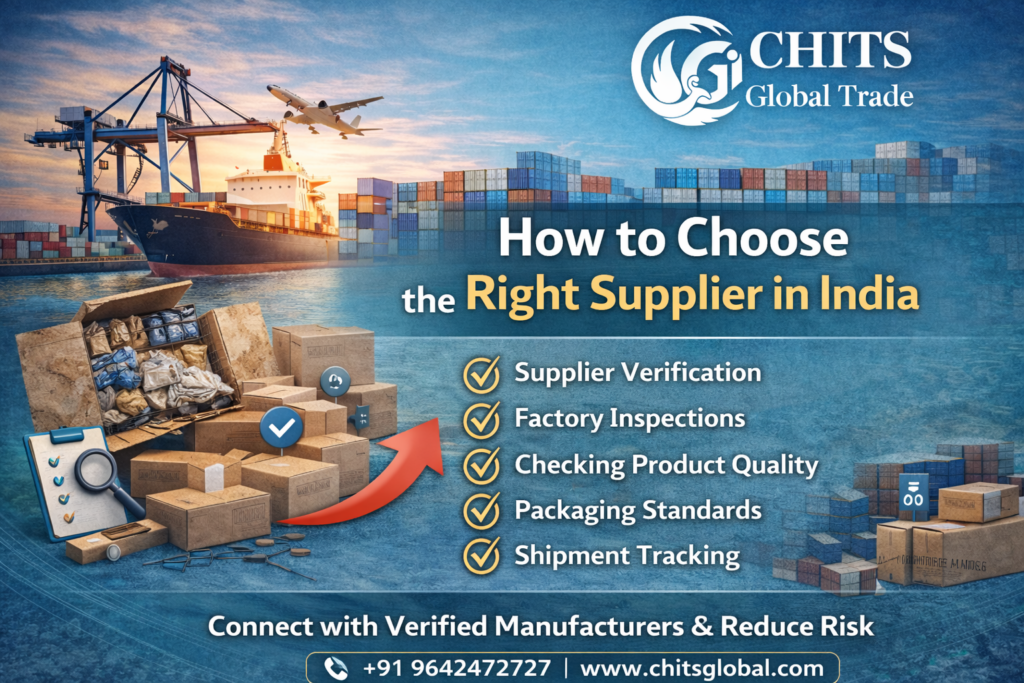
Why Choosing the Right Supplier Matters in International Trade | How to Choose the Right Supplier in India
In global trade, the supplier is the foundation of your business operations. Even if your marketing and sales are strong, working with the wrong supplier can damage your reputation and cause financial loss.
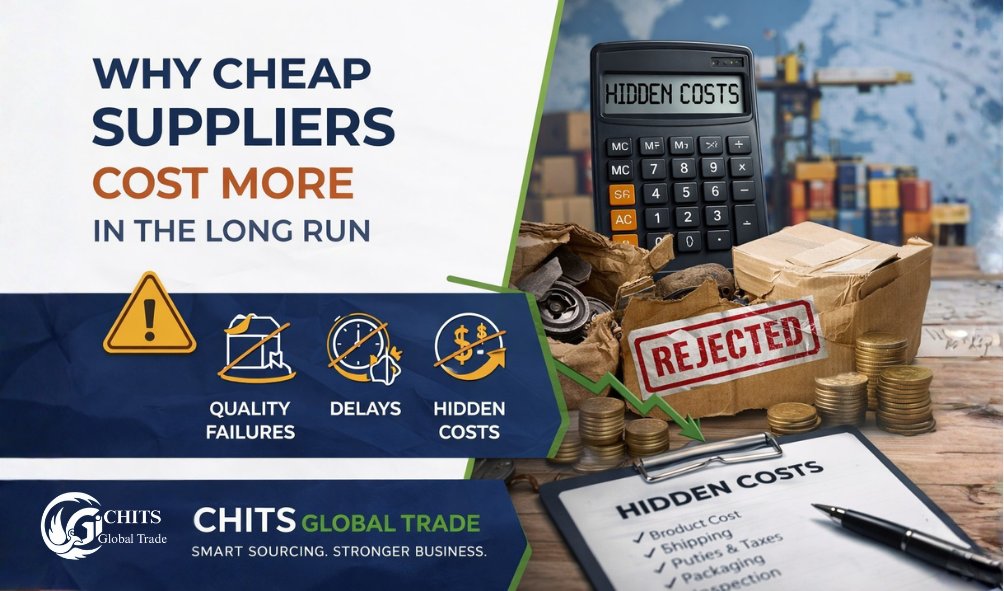
Many importers make the mistake of selecting suppliers based only on price. While competitive pricing is important, it should never be the only factor in supplier selection.
Common risks of choosing the wrong supplier include:
- Poor product quality
- Incorrect packaging or under-packing
- Shipment delays
- Non-compliance with international standards
- Payment disputes
- Fake or unverified manufacturers
For example, a buyer may receive products that are poorly packed in cartons. During international shipping, these cartons can collapse or get damaged, leading to product returns in the receiving country.
Such situations not only cause financial losses but also damage long-term business relationships.
Understanding the Indian Supplier Market | How to Choose the Right Supplier in India
India has millions of manufacturers, exporters, and traders across different industries. This makes the country a powerful sourcing destination, but it also creates challenges for buyers trying to identify reliable suppliers.
Suppliers in India typically fall into three categories:
Manufacturers
These companies produce goods in their own factories. Working directly with manufacturers can offer better pricing, quality control, and customization options.
Exporters
Exporters purchase products from manufacturers and sell them internationally. They usually manage documentation, shipping, and export compliance.
Traders or Middlemen
Traders act as intermediaries between manufacturers and buyers. While they can simplify sourcing, they may increase costs or reduce transparency.
Understanding which type of supplier you are working with is essential before finalizing any deal.
Key Factors to Consider When Choosing a Supplier in India | How to Choose the Right Supplier in India
Selecting the right supplier requires careful evaluation. The following factors help buyers reduce risks and build long-term partnerships.
Supplier Verification
Supplier verification is the most important step before placing an order. Buyers should confirm that the company is legally registered and actively operating.
Verification may include:
- Company registration documents
- Export licenses
- GST registration
- Business certifications
- Factory details
Skipping supplier verification can expose buyers to fraud or unreliable businesses.
Product Quality Standards
Quality consistency is essential in international trade. Buyers should ensure that suppliers follow proper quality control processes.
Before placing bulk orders, buyers should request:
- Product samples
- Quality reports
- Certifications
- Testing documentation
Reliable suppliers are transparent about their quality processes and provide clear product specifications.
Factory Inspection
Factory inspections help buyers confirm whether the supplier actually manufactures the products.
A factory visit or third-party inspection can reveal important information such as:
- Production capacity
- Machinery and equipment
- Workforce size
- Quality control procedures
- Packaging standards
Without factory inspection, buyers may unknowingly work with traders instead of manufacturers.
Packaging and Logistics Capability
Packaging plays a crucial role in protecting goods during international transportation.
Poor packaging is one of the most common reasons for product damage in export shipments. Buyers should ensure that suppliers use strong cartons, proper cushioning, and export-grade packaging materials.
Additionally, suppliers should understand export logistics such as container loading, documentation, and shipping timelines.
Communication and Responsiveness
Good communication is a strong indicator of a reliable supplier.
Suppliers should respond clearly and promptly to buyer inquiries. They should also be transparent about pricing, production timelines, and shipment schedules.
Poor communication often leads to misunderstandings and delayed shipments.
Pricing Transparency
While price is important, extremely low prices should be treated with caution.
Some suppliers offer unusually low quotes to secure orders, but later compromise on quality, packaging, or delivery.
Buyers should compare multiple quotations and ensure that pricing includes:
- Product cost
- Packaging
- Export documentation
- Shipping terms
- Payment conditions
Common Mistakes Buyers Make When Selecting Suppliers
Many importers experience losses because they skip important steps during supplier selection.
Some common mistakes include:
- Choosing suppliers only based on price
- Not verifying company registration
- Skipping factory inspections
- Ignoring product sample testing
- Placing large orders without trial shipments
- Not reviewing packaging standards
These mistakes can lead to product damage, shipment rejection, or financial disputes.
Benefits of Working with Verified Manufacturers
Working with verified manufacturers significantly reduces risks in international trade.
Verified suppliers usually provide:
- Consistent product quality
- Reliable production capacity
- Better pricing transparency
- Proper export documentation
- Strong packaging standards
When buyers work directly with verified manufacturers, they gain better control over their supply chain.
How Professional Sourcing Support Can Help
For many international buyers, finding and verifying suppliers in another country can be challenging.
Professional sourcing companies help buyers by managing the entire process, including:
- Supplier identification
- Manufacturer verification
- Factory inspections
- Quality checks
- Shipment tracking
This support helps businesses reduce risks and focus on expanding their markets.
How CHITS Global Trade Helps Buyers Source Reliable Suppliers
CHITS Global Trade works with international buyers to connect them with verified manufacturers in India.
The company focuses on reducing supplier risks by ensuring transparency and quality control throughout the sourcing process.
Key services include:
- Verified manufacturer sourcing
- Supplier background verification
- Factory inspections
- Export documentation support
- Shipment monitoring and tracking
By working with verified suppliers and proper supply chain management, businesses can avoid many of the risks associated with international sourcing.
Frequently Asked Questions
1. How do I verify a supplier in India?
Supplier verification involves checking company registration, export licenses, certifications, and factory details. Buyers can also conduct third-party factory inspections and request business documentation.
2. What is the biggest risk when choosing suppliers in India?
The biggest risk is working with unverified suppliers. This can lead to quality issues, shipment delays, payment disputes, or product damage during transportation.
3. Should buyers work directly with manufacturers?
Yes, working directly with manufacturers often provides better pricing, quality control, and transparency compared to working with multiple intermediaries.
4. Why is factory inspection important?
Factory inspections help confirm whether a supplier actually manufactures the products and has the capacity to fulfill large orders.
5. What industries does India export the most?
India is a major exporter of textiles, spices, agricultural products, food items, cosmetics, handicrafts, and industrial goods.
Conclusion
India offers enormous opportunities for international buyers looking for reliable manufacturing partners. However, choosing the wrong supplier can lead to hidden risks that silently damage business operations.
Proper supplier verification, factory inspections, quality checks, and packaging evaluation are essential steps for building a reliable supply chain.
Buyers who take the time to evaluate suppliers carefully can build strong, long-term partnerships and avoid costly mistakes in global trade.
Need Help Finding Verified Suppliers in India?
If you are facing issues with your current supplier or looking for reliable manufacturers in India, professional sourcing support can help simplify the process.
CHITS Global Trade works with international buyers to connect them with verified manufacturers, conduct factory checks, and monitor shipments to reduce sourcing risks.
If you would like guidance on supplier verification or sourcing in India, you can contact CHITS Global Trade to discuss your requirements and explore the best options for your business.
Also Read:
How to Verify an Indian Exporter