

Specialty Coffee Beans from India: American specialty coffee roasters have built entire brands around chasing the next great origin story. From the fruit forward coffees of Ethiopia to the clean, bright cups of Colombia and the funky, experimental lots coming out of Central America, US roasters have always been hungry for something new to put in front of increasingly educated customers. Right now, that search is quietly leading many of them to India.
For decades, Indian coffee was largely treated as a bulk commodity, valuable for blending but rarely discussed in specialty circles. That perception is changing fast. Growing global attention on unique Indian processing methods, distinctive high altitude Arabica, and increasing recognition from coffee media and even mainstream figures has put Indian coffee firmly on the radar of US importers looking to bring in specialty coffee beans with genuine differentiation.
This post explores why specialty coffee beans from India deserve serious consideration from US roasters and importers, what makes Indian Arabica unique, and how you can bring it into your own sourcing lineup before it becomes the next widely chased origin.
Specialty Coffee Beans from India

The Shift in US Specialty Coffee Sourcing | Specialty Coffee Beans from India
For years, the US specialty coffee scene has followed a fairly predictable sourcing map. Roasters build relationships with cooperatives and importers in well established regions, often paying increasingly high premiums as competition for the best lots intensifies year after year. Climate related supply disruptions in traditional growing regions have only added to this pressure, pushing up prices and creating uncertainty around consistent supply.
This environment has created real appetite among US buyers for new origins that offer both quality and stability. India fits that need well. It has decades of coffee farming experience, established export infrastructure, and a growing number of estates producing coffee to genuine specialty standards, yet it remains relatively underexplored by the average American roaster, which means less competition for quality lots and more room to build exclusive, long term sourcing relationships.
What Makes Indian Arabica Worth a Second Look | Specialty Coffee Beans from India
India’s specialty Arabica largely comes from high altitude estates in Karnataka’s Chikmagalur and Coorg regions, as well as emerging areas like the Araku Valley in Andhra Pradesh. These regions share a farming approach that sets Indian coffee apart from many other origins: shade grown cultivation under a mixed canopy of native trees and, in many cases, spice crops like cardamom, pepper, and cinnamon growing alongside the coffee plants.
This interplanting isn’t just an interesting detail for your packaging copy, it genuinely influences the cup. Shade grown coffee ripens more slowly, developing more complex sugars, while the surrounding spice crops can subtly influence the aromatic character of the beans over time. The result is often a smooth, well balanced cup with mild acidity, medium body, and notes that can range from chocolate and spice to soft red fruit, depending on the estate and processing method.
For US roasters looking to build a specialty program around genuinely unique terroir driven coffee, this combination of growing conditions offers something distinct from the flavour profiles most American consumers already associate with specialty coffee.
Riding the Wave of Growing Interest in Indian Coffee | Specialty Coffee Beans from India
Indian coffee has recently found itself in an unusual spotlight. Viral moments involving well known tech figures enjoying Indian coffee varieties, combined with increased YouTube and media coverage exploring Indian coffee culture, have introduced the category to a much broader American audience than ever before.
This kind of organic attention matters enormously for importers and roasters. It means that when you introduce specialty coffee beans from India on your menu or your online store, you’re not starting from zero in terms of consumer awareness. Curious customers are already searching for and asking about Indian coffee, and being one of the first roasters in your market to offer it positions your brand as ahead of the curve rather than playing catch up later once the category becomes crowded.
Diversifying Supply Chains Amid Global Uncertainty
Beyond flavour and marketing appeal, there’s a practical business case for adding Indian coffee to your import strategy. Climate volatility, political instability, and logistical disruptions have all impacted supply reliability from some traditional origins in recent years. Roasters and importers who depend entirely on one or two sourcing regions are increasingly vulnerable to sudden price spikes or supply shortages.
India offers a well established, mature export infrastructure with experience shipping to markets around the world for decades. Diversifying even a portion of your green coffee sourcing toward Indian Arabica can provide a valuable hedge against disruptions elsewhere, while also giving you access to a genuinely different flavour category to offer your customers.
Building a Specialty Program Around Indian Coffee
For roasters interested in incorporating Indian Arabica into a specialty program, there are a few approaches worth considering.
Single estate offerings work well for roasters who want to highlight the unique terroir of a specific Indian growing region, allowing you to tell a detailed, authentic story about the farm, the altitude, and the processing method used.
Micro lot programs appeal to roasters and importers who want to work closely with specific estates to source small, carefully selected batches, often processed using experimental methods like natural or honey processing, which are increasingly being explored on Indian estates alongside traditional washed processing.
Blended offerings allow roasters to use Indian Arabica as a component in house blends, taking advantage of its smooth, balanced character to round out sharper or more acidic beans from other origins.
Each of these approaches gives US buyers flexibility in how deeply they want to commit to Indian coffee, whether as a small experimental addition or as a cornerstone of a broader specialty strategy.
What US Importers Should Look for in an Indian Coffee Exporter
Successfully sourcing specialty coffee beans from India depends heavily on choosing the right sourcing partner. US buyers should prioritise exporters who can provide:
Clear documentation of estate origin, altitude, and processing method for every lot
Cupping scores or samples available prior to committing to larger purchases
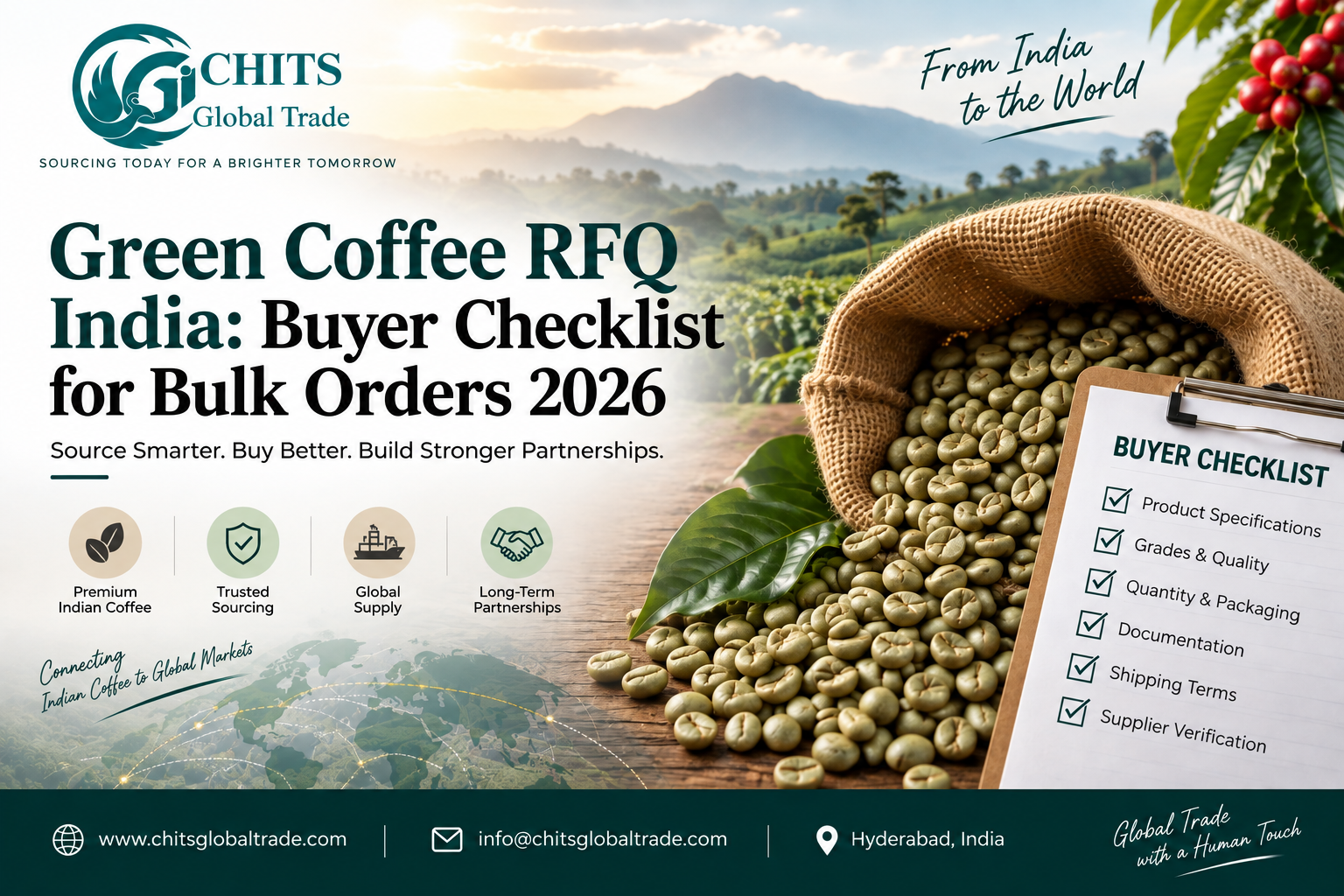
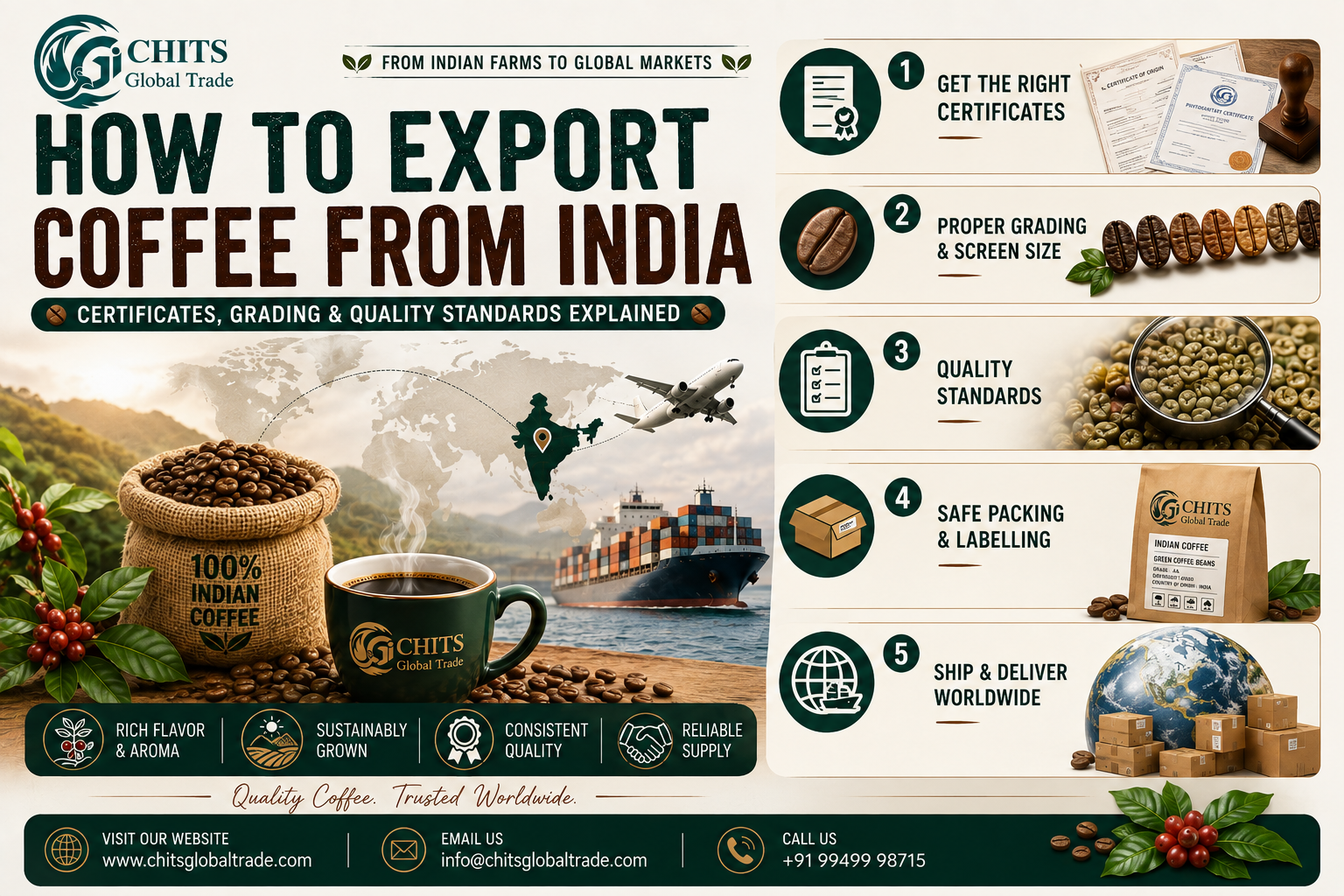
Proper certification including Coffee Board of India registration, FSSAI approval, and phytosanitary documentation required for US customs clearance
Flexibility to support smaller trial orders alongside larger container shipments
Transparent communication throughout the sourcing, harvest, and shipping timeline
Working with an experienced, specialty focused exporter rather than a generic bulk commodity trader makes a significant difference in the consistency and quality of what eventually arrives at your roastery.
Frequently Asked Questions | Specialty Coffee Beans from India
Q1: Is Indian coffee recognized in the US specialty coffee market yet?
Recognition is growing quickly. Increased media coverage, viral moments involving Indian coffee varieties, and growing roaster interest have all contributed to rising awareness among American specialty coffee consumers and professionals.
Q2: What certifications do you provide for US imports?
We provide Coffee Board of India certification, FSSAI approval, phytosanitary certificates, and detailed quality documentation for every shipment to support smooth customs clearance into the US.
Q3: Can you supply small micro lots for specialty roasters?
Yes, we work directly with estates to identify and curate small, carefully selected lots alongside our standard bulk offerings, suitable for roasters building specialty single origin programs.
Q4: What altitude and processing information can you provide?
We can supply detailed information on estate altitude, varietal, and processing method for each lot, along with cupping samples where available, to help you evaluate quality before committing to a purchase.
Q5: What is the typical lead time for shipments to US ports?
Sea freight from India to major US ports typically takes between four and six weeks, depending on the specific route and time of year. We handle all export documentation and logistics coordination.
Q6: Can you support recurring seasonal contracts for consistent supply?
Yes, we can establish ongoing sourcing agreements to ensure consistent access to specific estates or lots across multiple harvest seasons, helping you build long term stability into your specialty program.
Conclusion of Specialty Coffee Beans from India
Specialty coffee beans from India represent a genuine opportunity for US roasters and importers looking to differentiate their offerings in an increasingly crowded specialty coffee market. With distinctive shade grown terroir, growing consumer curiosity, and a mature export infrastructure supporting reliable supply, India offers both the story and the substance that discerning American coffee drinkers are looking for.
If you’re ready to explore what specialty coffee beans from India could bring to your roastery or import business, reach out to us today. We can arrange cupping samples, share detailed estate information, and help you design a sourcing plan tailored to your specific quality standards and volume needs.