


Table of Contents
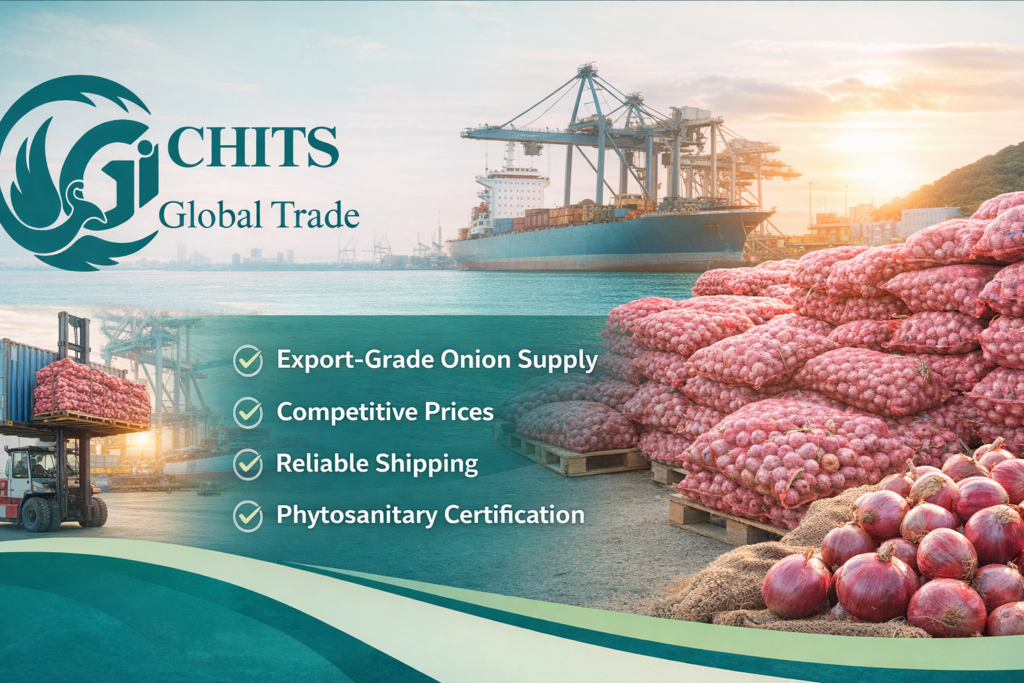
Import Onions from India: India has established itself as one of the largest onion exporters in the world, supplying fresh onions to markets across the Middle East, Southeast Asia, and South Asia. With strong agricultural production, competitive pricing, and a well-developed export ecosystem, India plays a vital role in the global onion trade.
For importers, wholesalers, and food distributors, sourcing onions from India presents a reliable and profitable business opportunity. However, understanding the export process, pricing structure, and international market demand is essential for successful importing.
This guide explains the onion export market in India, current export prices, demand in international markets, and the key factors importers should consider when sourcing onions from Indian exporters.
Import Onions from India
Why India is a Leading Onion Exporter | Import Onions from India
India is among the top onion-producing countries globally, producing millions of tons of onions annually. The country’s agricultural diversity and favorable climate allow for onion cultivation throughout the year, ensuring consistent supply for both domestic consumption and international trade.
The major onion-producing states in India include:
- Maharashtra
- Karnataka
- Gujarat
- Madhya Pradesh
These regions contribute significantly to India’s export volumes and provide high-quality onions that meet international standards.
Indian onions are widely preferred by global buyers due to several advantages:
- Competitive pricing compared to other exporting countries
- Strong flavor and quality
- Long shelf life suitable for long-distance shipping
- Large-scale production capacity
These factors make India an ideal sourcing destination for importers looking for bulk onion supply for wholesale markets, supermarkets, and food distribution networks.
Global Market Demand for Indian Onions | Import Onions from India
The global demand for Indian onions continues to grow as many countries rely on imports to meet domestic consumption needs. Several regions have become major buyers due to their strong food industries and population growth.
Key importing countries include:
United Arab Emirates (UAE)
The UAE is one of the largest importers of Indian onions and serves as a distribution hub for the Gulf region. From here, onions are often re-exported to neighboring countries.
Malaysia
Malaysia has strong demand from food service businesses, wholesale markets, and retailers. Indian onions are widely used in Malaysian cuisine and food processing.
Sri Lanka
Sri Lanka regularly imports onions from India due to supply shortages and price fluctuations in local production.
Bangladesh
Bangladesh relies heavily on onion imports, particularly when domestic harvests fall short of national demand.
Indonesia
Indonesia imports onions for both retail markets and food processing industries, creating consistent demand for Indian exporters.
These markets depend on stable supply chains and reliable exporters to ensure continuous availability of onions throughout the year.
Onion Export Prices from India | Import Onions from India
One of the main reasons international buyers prefer Indian onions is the price competitiveness offered by Indian suppliers.
Although prices fluctuate depending on seasonal supply and global demand, the typical price structure looks like this:
Average sourcing price in India
₹14 – ₹18 per kilogram
Average export price in international markets
₹25 – ₹30 per kilogram
The price difference between domestic sourcing and international selling prices creates an opportunity for exporters and traders to generate sustainable profit margins.
However, export prices can vary depending on several factors:
- Seasonal supply and harvest cycles
- Global market demand
- Freight and logistics costs
- Exchange rate fluctuations
- Import regulations in destination countries
Importers should monitor market trends and work with experienced exporters who can provide accurate pricing and consistent supply.
How Much Onion is Exported in a Single Container?
International onion shipments are usually transported in 40-foot shipping containers, which allow exporters to move large volumes efficiently.
Typical shipment capacity includes:
- 25 to 28 tons of onions per container
- Packaging in mesh bags or jute bags
- Bag sizes commonly ranging from 10 kg, 25 kg, or 50 kg
Proper packaging is essential to maintain ventilation and prevent moisture buildup during transit. Onions require adequate airflow to maintain freshness and reduce spoilage during long shipping journeys.
Key Requirements for Importing Onions from India
Importers looking to source onions from India must ensure that their supplier can meet international quality and compliance standards.
1. Quality Grading and Sorting
Export-quality onions must be properly graded and sorted based on:
- Size
- Color
- Maturity
- Overall quality
Uniform grading helps maintain consistency and reduces the risk of shipment rejection in destination markets.
2. Export-Standard Packaging
Packaging plays a critical role in preserving product quality during transportation.
Common packaging methods include:
- Ventilated mesh bags
- Jute bags
- Customized packaging based on buyer requirements
Proper packaging ensures that onions remain fresh throughout the shipping process.
3. Phytosanitary Certification
Most countries require a phytosanitary certificate issued by agricultural authorities in India. This certificate confirms that the onions are:
- Free from pests and diseases
- Compliant with plant health regulations
- Safe for international trade
Without this certification, shipments may face customs delays or rejection.
4. Export Documentation
Successful onion export requires several important documents, including:
- Commercial invoice
- Packing list
- Bill of lading
- Phytosanitary certificate
- Certificate of origin
Proper documentation ensures smooth customs clearance and prevents logistical issues.
5. Reliable Logistics and Shipping
Importers must work with exporters who have strong logistics networks. Efficient shipping coordination ensures:
- Timely delivery
- Safe product handling
- Reduced risk of spoilage
Reliable shipping schedules are essential for maintaining supply chain stability.
Challenges in the Onion Import Business
While onion importing can be profitable, it also involves certain challenges that businesses must address.
Common issues include:
- Price volatility due to seasonal harvest fluctuations
- Logistics delays during peak export seasons
- Quality inconsistencies from inexperienced suppliers
- Strict import regulations in some countries
To minimize these risks, importers should establish partnerships with experienced exporters who understand international trade requirements and quality standards.
Benefits of Sourcing Onions from India
Despite market fluctuations, India continues to be one of the most reliable onion sourcing destinations.
Key advantages include:
- Large production volumes
- Competitive export pricing
- Well-established agricultural supply chains
- Access to experienced exporters and logistics providers
These advantages allow importers to maintain consistent inventory and competitive pricing in their local markets.
Frequently Asked Questions (FAQs)
1. Which countries import onions from India the most?
Major importers of Indian onions include the UAE, Malaysia, Bangladesh, Sri Lanka, and Indonesia. These countries rely heavily on Indian supply due to competitive pricing and strong production capacity.
2. What is the average export price of onions from India?
Export prices generally range between ₹25 and ₹30 per kilogram, depending on seasonal supply, demand, and shipping costs.
3. How much onion can fit in a shipping container?
A standard 40-foot container can carry approximately 25–28 tons of onions, depending on packaging size and loading methods.
4. What packaging is used for onion export?
Onions are commonly packed in ventilated mesh bags or jute bags weighing 10 kg, 25 kg, or 50 kg to ensure proper airflow during transportation.
5. What certifications are required to import onions from India?
Most importing countries require a phytosanitary certificate, which confirms that the onions meet plant health standards and are safe for international trade.
6. Why are Indian onions popular in global markets?
Indian onions are popular because they offer competitive pricing, strong flavor, long shelf life, and consistent production volumes, making them ideal for wholesale and retail markets.
Conclusion
India remains one of the most important players in the global onion export market, supplying high-quality onions to countries across Asia, the Middle East, and other international regions. With competitive pricing, large-scale agricultural production, and established export infrastructure, India continues to be a preferred sourcing destination for importers and distributors.
However, successful onion importing requires more than simply purchasing at a low price. Importers must ensure that exporters provide proper grading, export-quality packaging, required certifications, and reliable logistics support.
By building partnerships with experienced Indian exporters and understanding the dynamics of global onion trade, businesses can secure consistent supply, stable pricing, and long-term profitability in the international onion market.
Also Read:
How to Import Mangoes from India