

How to Import Mangoes from India: When it comes to mangoes, India isn’t just a major producer it’s the undisputed global leader. The country produces more than 24 million metric tones of mangoes annually, accounting for nearly half of the world’s total mango production.
This massive production capacity means importers across the globe see India as the most reliable source for premium mangoes. From tropical orchards in Maharashtra and Gujarat to the fertile belts of Andhra Pradesh and Uttar Pradesh, mango farming is deeply embedded in India’s agricultural economy. These regions produce some of the world’s most sought-after varieties, many of which have distinct flavor profiles and geographical identities.
India also benefits from a long mango harvest season that stretches from March to July, allowing exporters to supply markets during periods when other countries may have limited availability. This extended supply window is a huge advantage for international importers looking to maintain consistent inventory.
Another reason Indian mangoes dominate international markets is their unmatched taste. Unlike hybrid varieties grown in some countries, many Indian mangoes are naturally cultivated with centuries-old farming traditions. The result? Rich sweetness, vibrant aroma, and smooth texture that global consumers immediately recognize.
Government support has also played a role in strengthening exports. Organizations like the Agricultural and Processed Food Products Export Development Authority (APEDA) promote mango exports through strict traceability systems, quality checks, and residue monitoring programs.
For international buyers, this means better transparency and safer supply chains.
How to Import Mangoes from India
Key International Markets Importing Indian Mangoes | How to Import Mangoes from India
Indian mangoes travel far beyond domestic markets. Today, they reach more than 40 countries worldwide, making them one of India’s most globally recognized agricultural exports.
The biggest importing regions include:
| Country / Region | Import Share |
|---|---|
| United Kingdom | ~30% |
| United Arab Emirates | ~28% |
| United States | ~23% |
| European Union | Growing demand |
| Japan, Canada, Australia | Premium niche markets |
According to global trade data, the UK, UAE, and USA collectively account for over 80% of Indian mango imports.
The Middle East has traditionally been the largest market due to geographic proximity and strong demand from expatriate communities. Meanwhile, Europe and North America are seeing rising demand as supermarkets and gourmet retailers introduce exotic fruits to consumers.
This global demand creates an exciting opportunity for importers, distributors, and retail chains. With proper sourcing and logistics, importing mangoes from India can be a highly profitable seasonal business.
Popular Export-Quality Mango Varieties from India | How to Import Mangoes from India
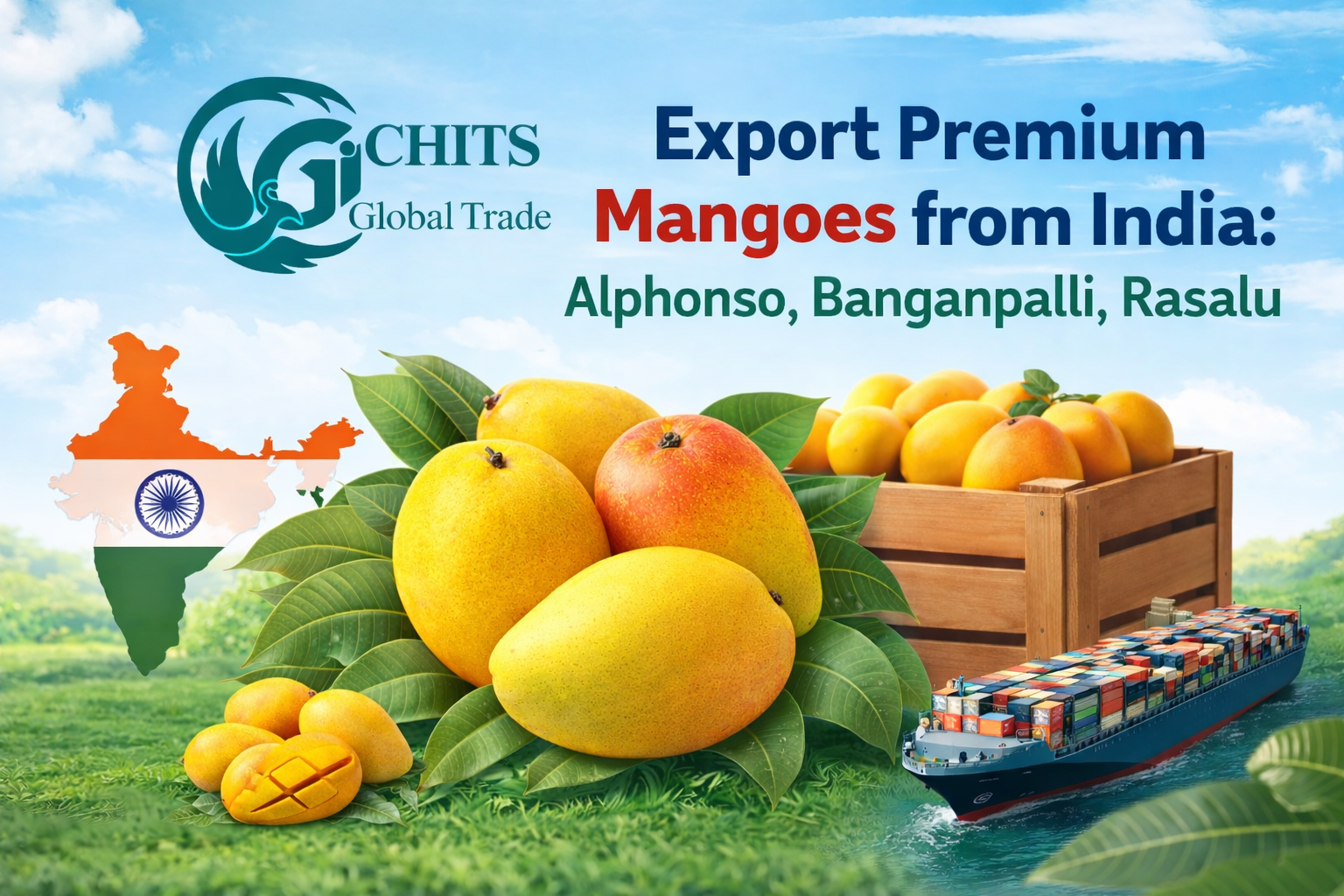
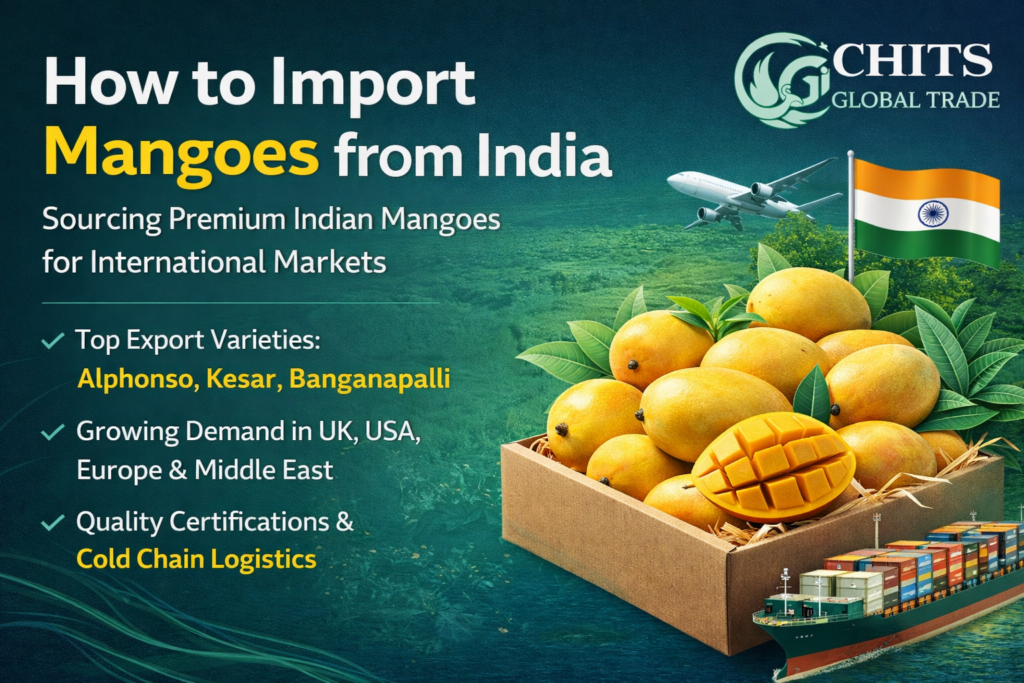
Alphonso, Kesar, and Banganapalli
Not all mangoes are created equal. Some varieties command premium prices in international markets due to their flavor, aroma, and texture.
Alphonso Mango
Often referred to as the “King of Mangoes,” Alphonso is grown primarily in Maharashtra. Its creamy texture, intense sweetness, and saffron-colored pulp make it one of the most premium mangoes in the world.
Kesar Mango
Kesar mangoes originate from Gujarat and are known for their bright orange flesh and aromatic sweetness. They are widely exported to Europe and the Middle East.
Banganapalli Mango
Popular in southern India, especially Andhra Pradesh, Banganapalli mangoes are prized for their large size and smooth texture. Their balanced sweetness makes them ideal for both fresh consumption and food processing.
These varieties dominate the export market because they meet the quality expectations of international buyers. Many of them are also GI-tagged (Geographical Indication), which helps maintain authenticity and premium pricing.
Totapuri, Langra, and Other Export Varieties
While Alphonso and Kesar attract premium retail buyers, several other varieties play a crucial role in large-scale mango trade.
Totapuri Mango
Totapuri mangoes are widely used for pulp production and processed food products such as juices, smoothies, and desserts.
Langra Mango
Known for its strong flavor and fibrous texture, Langra mangoes are popular in South Asian markets abroad.
Other export varieties include:
- Dasheri
- Chausa
- Amrapali
- Mallika
Each variety serves a different market segment. For example, some retailers prefer Alphonso for luxury fruit displays, while food processors may prioritize Totapuri for large-scale pulp production.
Understanding these varieties helps importers select the right product for their target market.
Understanding the Global Mango Import Opportunity | How to Import Mangoes from India
Market Demand in the UK, USA, Europe, and the Middle East
The international mango trade has grown significantly in recent years. According to trade statistics, India exported more than 32,000 metric tonnes of fresh mangoes worth over $60 million in 2024.
Demand continues to rise due to several factors:
- Growing global interest in tropical fruits
- Expanding ethnic food markets
- Increased demand from supermarkets and online grocery platforms
- Rising popularity of healthy and natural foods
In the UK and Europe, mangoes are often marketed as premium seasonal fruits. Retail chains use them as promotional products during spring and summer.
Meanwhile, Middle Eastern markets import mangoes in large volumes due to cultural familiarity and strong demand during festive seasons.
The United States represents a particularly attractive market. Exports to the US alone increased by 19% in a recent fiscal period, demonstrating strong consumer demand.
For importers, this means one thing: mangoes aren’t just a fruit they’re a seasonal business opportunity.
Why Premium Mangoes Command Higher Prices | How to Import Mangoes from India
Premium mangoes often sell for significantly higher prices than standard fruit imports.
Why?
Because consumers perceive them as luxury seasonal products.
Imagine walking into a supermarket in London or Dubai and seeing a box of Alphonso mangoes labeled “Premium Indian Mangoes.” The packaging, aroma, and reputation immediately elevate the product’s perceived value.
Restaurants, luxury hotels, and gourmet retailers are especially willing to pay premium prices for high-quality mangoes. For them, consistency and taste matter more than price.
That’s why sourcing directly from reliable exporters is critical.
Step-by-Step Guide to Import Mangoes from India | How to Import Mangoes from India
Step 1: Identify Reliable Mango Exporters
The first step in importing mangoes is finding a reliable exporter.
Many importers make the mistake of sourcing from random suppliers without verifying credentials. This often leads to inconsistent quality, delayed shipments, or regulatory issues.
A trustworthy exporter should have:
- Export certifications
- Experience with international shipments
- Established sourcing networks
- Cold chain logistics support
Working with a sourcing company rather than individual farmers often reduces risks.
Step 2: Verify Certifications and Compliance
International mango imports require strict compliance with agricultural regulations.
Typical certifications include:
- Phytosanitary certificate
- APEDA registration
- Fumigation or irradiation treatment (for certain countries)
- Quality inspection reports
Missing documentation can lead to shipment rejection at the destination port. In fact, several shipments have previously been destroyed due to paperwork errors, causing significant financial losses for exporters.
For importers, compliance isn’t optional it’s essential.
Step 3: Agree on Pricing, Quantity, and Incoterms
Once a supplier is verified, the next step is negotiating the commercial terms.
Important factors include:
- Minimum order quantity (MOQ)
- Price per box or per metric ton
- Incoterms (FOB, CIF, or EXW)
- Payment terms
Many exporters offer flexible pricing depending on volume. Importers purchasing larger quantities often receive better rates.
Step 4: Arrange Logistics and Cold Chain Transport | How to Import Mangoes from India
Mangoes are highly perishable, which means logistics planning is crucial.
Most premium mangoes are shipped via air freight to maintain freshness. However, sea freight with controlled atmosphere containers is also used for bulk shipments.
Key logistics considerations include:
- Temperature control (10–13°C)
- Proper ventilation
- Transit time
- Packaging durability
Without proper cold chain management, even the best mangoes can spoil before reaching the market.
Essential Documentation Required for Mango Imports | How to Import Mangoes from India
Export and Phytosanitary Certifications
Agricultural imports require strict safety compliance.
Key documents include:
- Phytosanitary certificate
- Certificate of origin
- Packing list
- Commercial invoice
These documents confirm that the mangoes meet food safety and agricultural standards.
Customs and Import Documentation
Importers must also prepare documents for customs clearance.
Typical requirements include:
- Import license (depending on country)
- Customs declaration
- Food safety compliance certificates
Working with experienced exporters simplifies this process significantly.
Mango Export Supply Chain from Farm to International Market | How to Import Mangoes from India
Harvesting, Sorting, and Grading
Export-quality mangoes go through multiple stages before shipping.
Farmers carefully harvest fruit at optimal maturity to ensure shelf life. After harvesting, mangoes are sorted and graded based on:
- Size
- Color
- Ripeness
- Physical damage
Only top-grade mangoes proceed to export packaging.
Packaging and Temperature-Controlled Logistics
Export mangoes are typically packed in ventilated cartons designed for air circulation.
Modern exporters also use:
- Cushioning materials
- Moisture-resistant boxes
- Barcode tracking systems
These measures protect the fruit during international transit.
Challenges Importers Face When Sourcing Mangoes from India | How to Import Mangoes from India
Quality Consistency and Supplier Reliability
One of the biggest challenges for importers is maintaining consistent quality.
Different suppliers may have different farming practices, which can affect taste, size, and shelf life.
This is why many buyers prefer sourcing partners with verified supplier networks.
Logistics, Shelf Life, and Compliance Issues
Mango shipments can face delays due to:
- Customs inspections
- Documentation errors
- Logistics disruptions
Since mangoes are perishable, delays can result in significant losses.
Working with experienced export partners helps mitigate these risks.
Choosing the Right Indian Sourcing Partner | How to Import Mangoes from India
Why Working with a Global Sourcing Company Matters
For many international buyers, the biggest challenge isn’t finding mangoes it’s finding reliable suppliers.
This is where professional sourcing companies play a crucial role.
CHITS Global Trade is an import-export and global sourcing partner supplying high-quality Indian products to international markets including the UK, Europe, the Middle East, Africa, and Asia.
The company specializes in sourcing:
- Agricultural products
- Food ingredients
- Textiles
- Cosmetics
- Pharmaceuticals
- Handicrafts
With strong sourcing networks and verified suppliers, CHITS Global Trade manages the entire export process from supplier verification and quality checks to logistics and documentation.
For importers, distributors, retail chains, and international trading companies, working with a sourcing partner like CHITS can simplify procurement while reducing risk.
Frequently Asked Questions (FAQs) | How to Import Mangoes from India
1. Which countries import the most mangoes from India?
The largest importers of Indian mangoes are the United Kingdom, United Arab Emirates, and the United States, collectively accounting for more than 80% of exports.
2. What is the best mango variety to import from India?
Popular export varieties include Alphonso, Kesar, Banganapalli, Totapuri, and Langra, depending on the target market.
3. When is the mango export season in India?
The main export season runs from March to July, though some regions have extended harvest windows.
4. What certifications are required to import mangoes?
Importers typically require a phytosanitary certificate, certificate of origin, packing list, and commercial invoice, along with country-specific compliance documents.
5. How long does it take to ship mangoes internationally?
Air freight shipments usually take 2–5 days, while sea freight shipments may take 2–4 weeks depending on the destination.
Conclusion | How to Import Mangoes from India
Importing mangoes from India is more than a seasonal fruit trade it’s a gateway into one of the world’s most vibrant agricultural export markets. With global demand growing across the UK, Europe, the Middle East, and North America, premium Indian mangoes offer strong profit potential for importers and distributors.
However, success in this business depends on three key factors: sourcing quality fruit, ensuring regulatory compliance, and managing efficient logistics.
Importers who partner with experienced exporters and sourcing companies gain a significant advantage. Reliable suppliers help maintain product quality, avoid regulatory issues, and ensure smooth delivery from Indian farms to international markets.
For businesses looking to source premium Indian mangoes or other export products from India, building the right supply chain partnerships can make all the difference.